
The Ultimate Guide to Custom Material Tags and Revit Integration
Material tags are essential for clarity, organization, and branding across various industries. Whether for retail, fashion, architecture, or construction, understanding how to use custom material tags effectively can transform your workflow. If you’re looking to integrate Revit tags into your projects or learn how to create detailed legends in Revit, this guide covers everything you need to know. With insights drawn from years of experience at Swing Tags Co UK, we’ll ensure you never look elsewhere for more information.
What Are Material Tags and Why Are They Important?
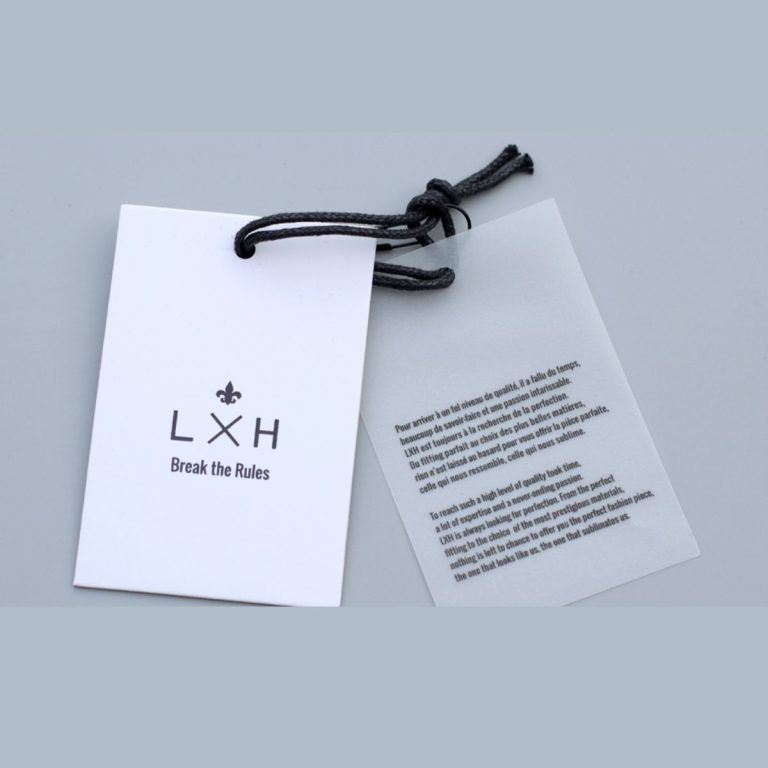
Material tags are versatile tools used to communicate key information, such as specifications, branding details, and instructions, on various items. By using a material tags template, businesses can design functional yet visually appealing tags tailored to their needs. From retail settings to architectural projects, these tags simplify information display, enhance user experiences, and contribute to professional standards.
In design and construction, material tags bridge the gap between raw data and practical application. This means architects and designers can incorporate them into tools like Revit for enhanced visual representation and communication of material specs.
How to Design Custom Material Tags for Optimal Impact
Creating custom material tags requires a strategic approach to ensure they deliver maximum value. Here’s a step-by-step breakdown:
- Define the Purpose: Start by clarifying whether your tags will showcase branding, product details, or specifications.
- Choose the Ideal Format: Use a material tags template for consistency.
- Select High-Quality Materials: Opt for durable and sustainable materials to enhance longevity.
- Incorporate Sleek, Readable Design: Avoid clutter by focusing on clean typography and minimalist design.
- Include Essential Data: Ensure all critical information, like product SKUs, material types, or care instructions, is prominently featured.
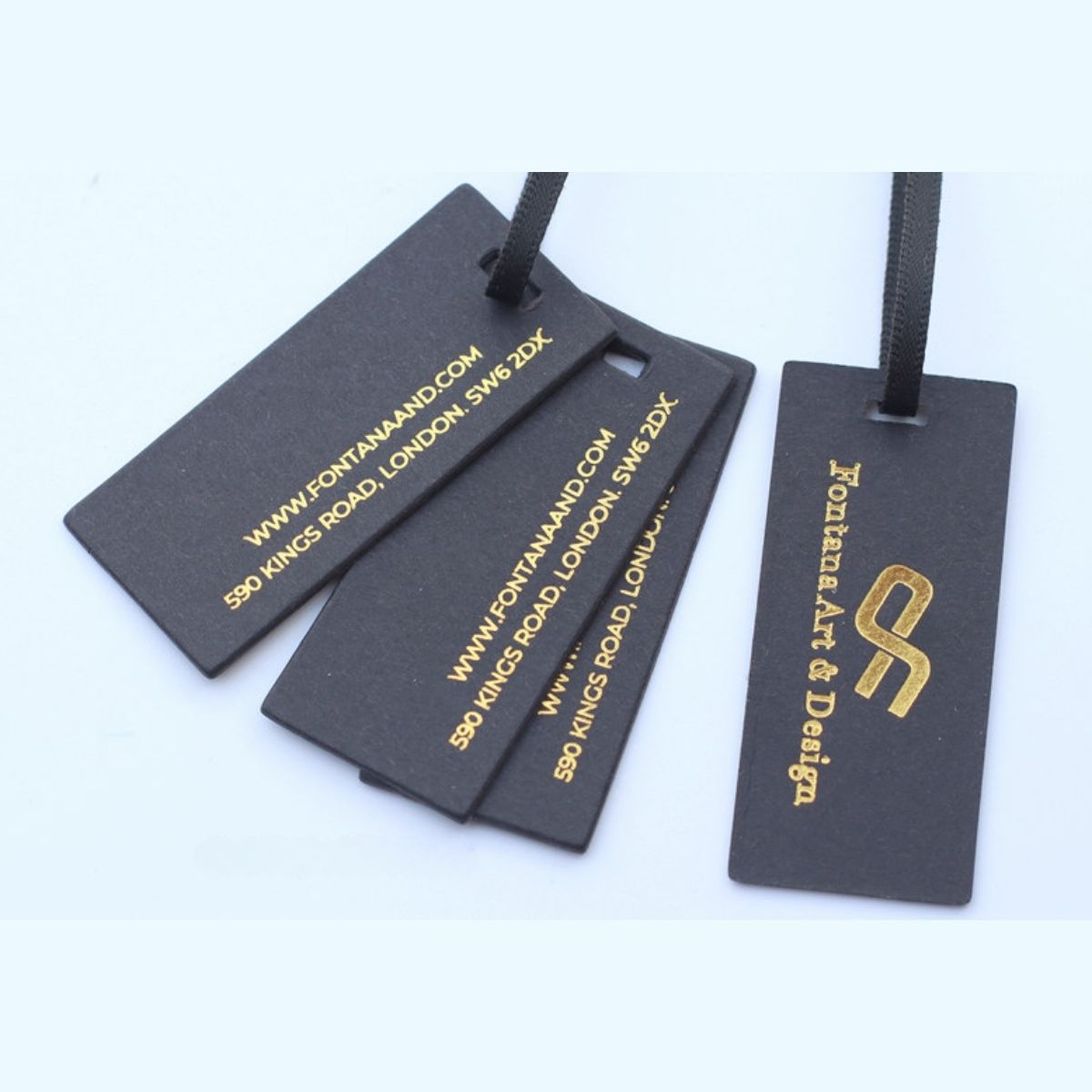
For businesses aiming to create standout tags, Swing Tags Co UK offers unparalleled expertise in designing custom material tags that align with your goals.
Integrating Material Tags into Revit Projects
Autodesk Revit, a leading Building Information Modeling (BIM) software, allows users to incorporate material tags seamlessly into designs. Let’s explore how material tags integrate within Revit workflows:
To make the most of material tag Revit capabilities, follow these steps:
- Create and Load a Family: Download a material tag Revit download or create one from scratch.
- Modify Parameters: Customize tag parameters like material names, dimensions, or descriptions.
- Placement: Add Revit tags to your project views to label elements precisely.
- Adjust Visibility: Use visibility settings to determine how material tags appear in different views.
Customized tags enrich your project, ensuring clarity across all documentation phases. Additionally, the Revit tags feature provides flexibility, allowing users to tailor them for diverse styles and structures.
How to Make a Material Legend in Revit
Creating a material legend in Revit is a straightforward yet invaluable feature for architects and designers. By integrating material tags, these legends summarize project information cohesively. Here’s a practical guide:
- Access the Material Browser: Navigate to your project’s Material Browser tab and ensure all requisite data is updated.
- Create a Legend View: In the Project Browser, add a new legend view to the intended sheet.
- Insert Materials: Place symbol legends and assign them corresponding materials guided by your material tags template.
- Customize Display: Adjust the layout, naming conventions, and scale for clarity.
Mastering how to make a material legend in Revit streamlines project visualization and ensures all stakeholders can access well-documented information. Swing Tags Co UK specializes in bridging the gap between physical and digital tagging to meet industry standards.
Conclusion
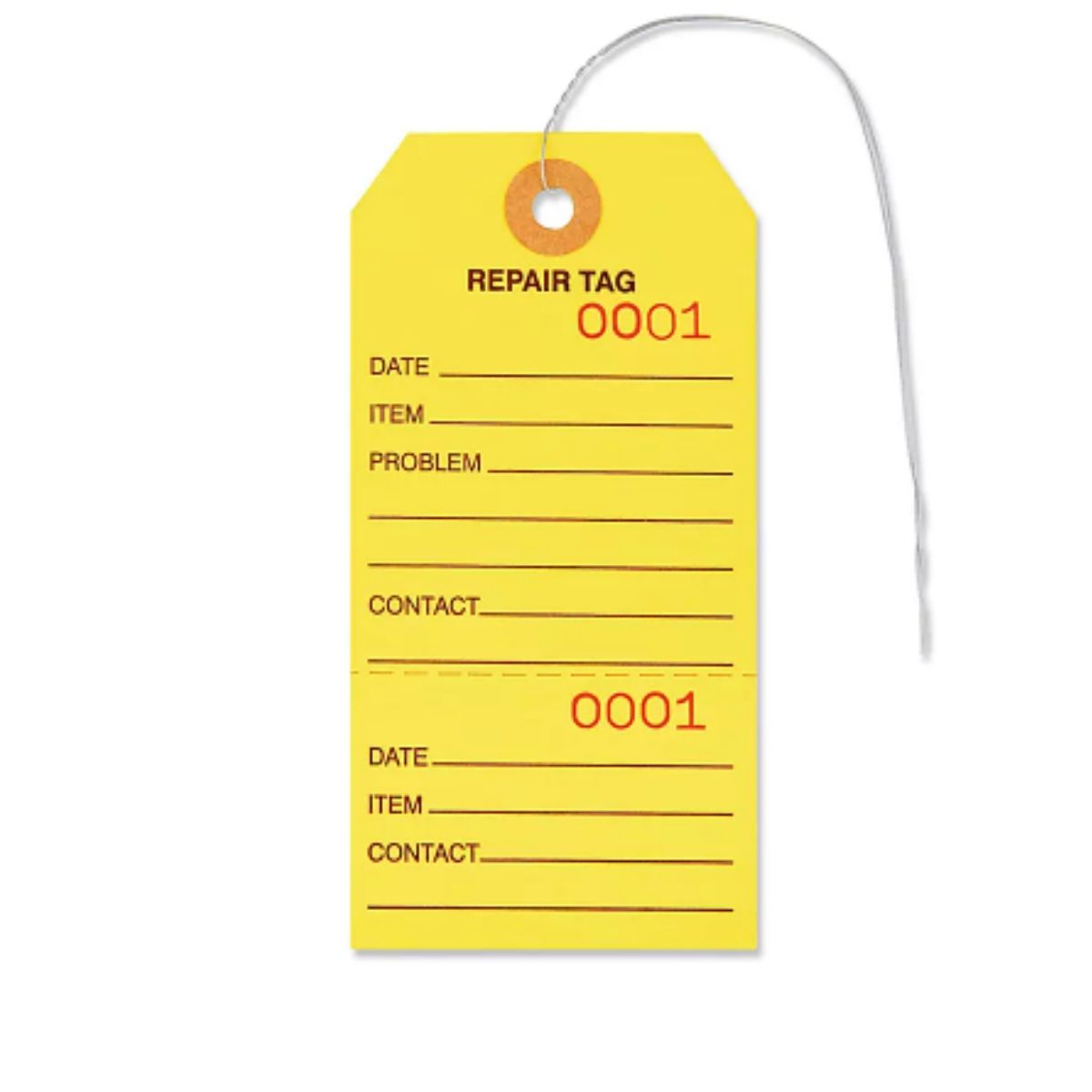
Material tags are vital assets in industries ranging from retail branding to architectural design. Customization not only enhances their aesthetic appeal but also boosts functionality. When integrated with tools like Revit, custom material tags enable efficient project management, better communication, and superior results.
At Swing Tags Co UK, we leverage decades of expertise to craft premium tags that perfectly balance functionality and design. Ready to elevate your next project? Visit Swing Tags Co UK today to explore industry-leading material tag solutions!